Welcome to the Online Course on Water Diplomacy and Transboundary Aquifer Management. The course consists of six modules with lectures by numerous prominent experts in the field of transboundary aquifers (TBAs) and water diplomacy. These lectures will increase your understanding about what TBAs are and where you can find them. You will learn more about conflict and cooperation over TBAs, as well as international law and water diplomacy. In the last modules you will get to understand negotiations and dispute resolution about TBAs. All modules are accompanied by Quiz Questions to test your newly acquired knowledge.
Learning Objectives
Build capacities young professionals on the approaches and tools for water diplomacy, with a particular emphasis on transboundary aquifers.
Provide a course that can be used as a primer/requirement for more advanced courses on water conflict management, water cooperation and water diplomacy, allowing a measurable increase in capacities
Contribute to the long-term knowledge-base for UNESCO capacity building programmes and that of its partners
Contribute to the development of a community of practice of open source learning tools for the UNESCO water family
Work Load
The course is comprised of 6 modules with a duration of 2-3 hours each. The course can be completed in a total of 15 hours.
Meet the Course Staff
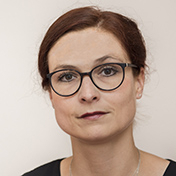
Dr. Susanne Schmeier
Susanne Schmeier, LLM, is an Associate Professor at IHE Delft. Her research, teaching and advisory work focuses on conflict and cooperation around natural resources and the environment, with a particular focus on shared water resources. She is particularly interested in legal and institutional mechanisms for preventing conflicts and ensuring cooperation. Prior to joining IHE Delft, she worked for the Gesellschaft für internationale Zusammenarbeit (GIZ), among others functions managing GIZ’s transboundary water portfolio. She also worked for other international and regional organizations, such as the World Bank and the Mekong River Commission.
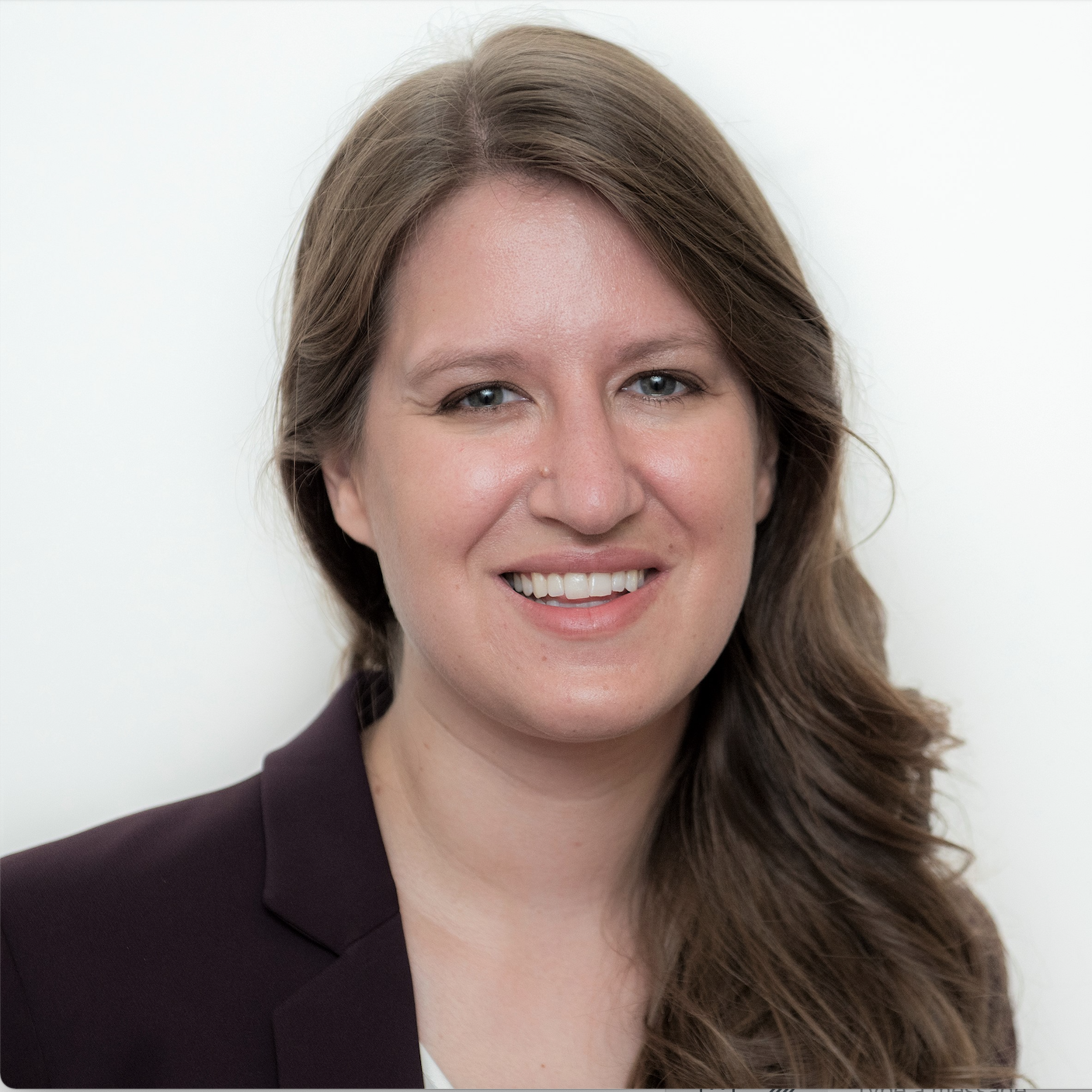
Alyssa Offutt
Alyssa Offutt is a doctoral candidate in water conflict, cooperation, and diplomacy at the IHE Delft Institute for Water Education. She researches the multi-scalar relationships between water quality, conflict, cooperation, and environmental justice in transboundary basins. She also supports the Water, Peace and Security and Water Diplomacy initiatives at the institute and engages capacity development activities in Mali, Iraq, Ethiopia, and Kenya.
Meet the Guest Speakers
1. Christina Fraser | The International Groundwater Resources Assessment Centre
2. Melissa McCracken | The Fletcher School at Tufts University
3. Rozemarijn ter Horst | IHE Delft Institute for Water Education
4. Stefano Burchi | International Association for Water Law (AIDA)
5. Kirstin Conti | The World Bank Group / Personal capacity
6. Gabriela Cuadrado Quesada | IHE Delft Institute for Water Education
7. Gabriel Eckstein | Texas A&M University School of Law
8. Karthik Rajagopal | IHE Delft Institute for Water Education
9. Ricardo Hirata | Institute of Geosciences at the University of São Paulo
10. Martin Grambow | Bavarian Ministry of Environment and Consumer Protection
11. Aaron T. Wolf | Oregon State University
12. Hussam Hussein | University of Oxford
13. Todd Jarvis | Institute for Water & Watersheds at Oregon State University
Frequently Asked Questions
What web browser should I use?
The Open edX platform works best with current versions of Chrome, Edge, Firefox, Internet Explorer, or Safari.
All learners have the opportunity to earn a free digital Certificate of Completion, awarded by UNESCO in cooperation with IHE, upon completing the course. To receive this digital certificate, you will need to complete all 6 modules with a grade of 80% or higher for each module assessment.
Course content
8 modules · 38 lessons · 6 assessments
articleIntroduction to the CourseLesson
articleModule OverviewLesson
article1a. Hydrology of GroundwaterLesson
article1b. Geographical Location and DistributionLesson
article1c. Key Management ChallengesLesson
article1d. Connection to the SDGsLesson
articleModule 1 Reading MaterialLesson
quizModule 1 Quiz QuestionsHomework
articleModule OverviewLesson
article2a. Current State of Transboundary Aquifer GovernanceLesson
article2b. Water Conflict and CooperationLesson
article2c. Conflict AnalysisLesson
article2d. Case study: Stampriet AquiferLesson
articleModule 2 Reading MaterialLesson
quizModule 2 Quiz QuestionsHomework
articleModule OverviewLesson
article3a. Introduction to International Water LawLesson
article3b. Recent Developments and Current Status of International LawLesson
article3c. National Legal Instruments for Groundwater GovernanceLesson
article3d. Case study: Aquifers in Federal Legal SystemsLesson
articleModule 3 Reading MaterialLesson
quizModule 3 Quiz QuestionsHomework
articleModule OverviewLesson
article4a. Concept of Water DiplomacyLesson
article4b. Tools and Tracks of Water DiplomacyLesson
article4c. Aquifer Organizations - Lessons Learned from River BasinsLesson
article4d. Case Study: Guarani AquiferLesson
article4e. Case study: Water Diplomacy in the German-Austrian Thermal AquiferLesson
articleModule 4 Reading MaterialLesson
quizModule 4 Quiz QuestionsHomework
articleModule OverviewLesson
article5a. An Introduction to Negotiation SkillsLesson
article5b. Negotiations for Transboundary AquifersLesson
article5c. Case Study: Guarani Aquifer NegotiationsLesson
article5d. Role of Science in NegotiationsLesson
articleModule 5 Reading MaterialLesson
quizModule 5 Quiz QuestionsHomework
articleModule OverviewLesson
article6a. Dispute ResolutionLesson
article6b. Role of Data in Mitigating DisputesLesson
article6c. Case Study: Al-Sag/Al-Disi AquiferLesson